
Mexican Civil Registry Preparation
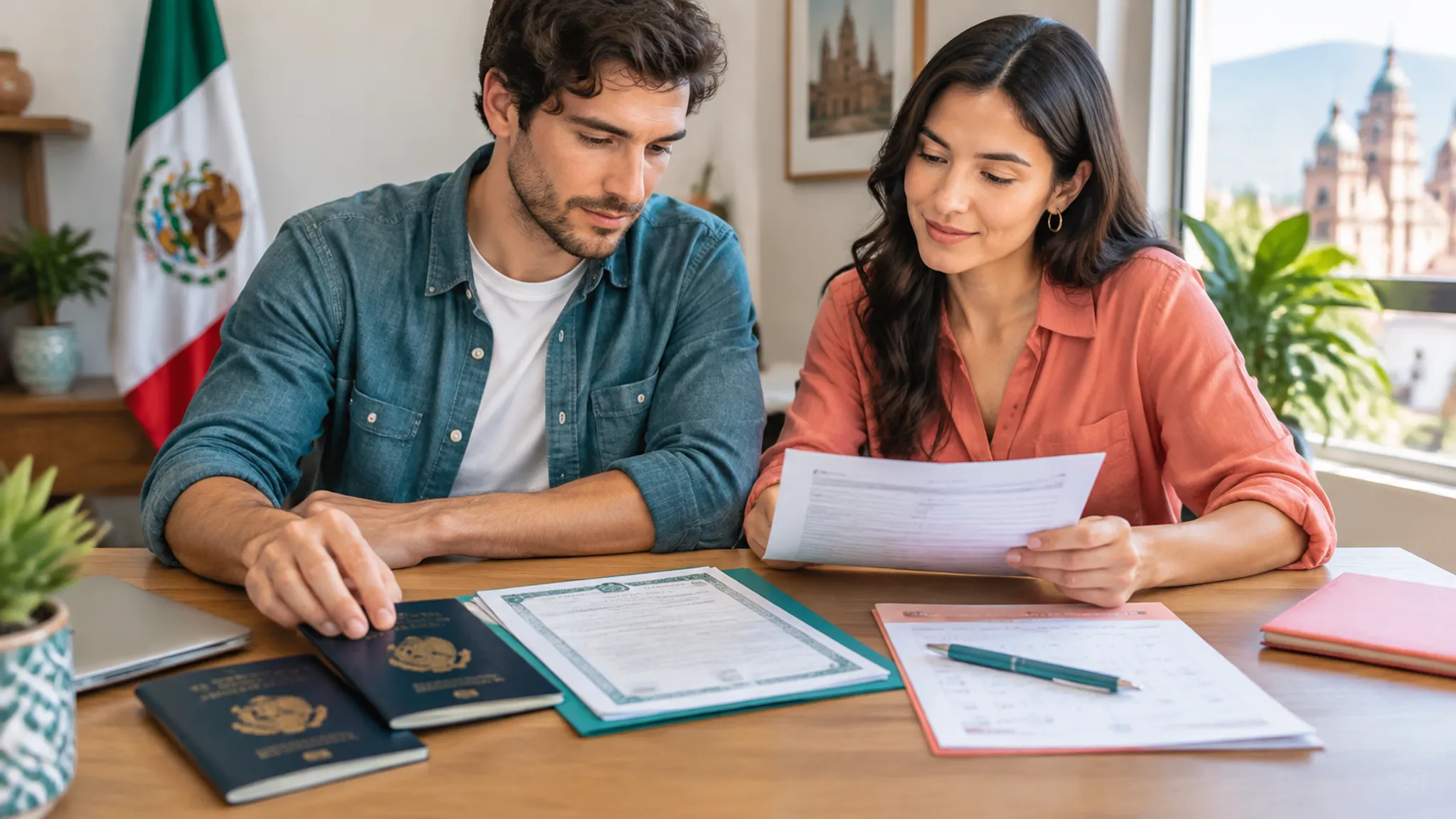
Preparing for a civil wedding in Mexico starts with a local administrative path, not a universal online checklist. Before setting travel dates, reserving a venue, or ordering documents, identify the Registro Civil office connected to the intended ceremony location and request its current marriage-registration instructions.
Procedures may differ by state, municipality, and office. A document, witness arrangement, translation, medical record, fee, or appointment window mentioned in a destination-wedding guide may be useful to ask about, but it does not establish what your chosen office will accept.
Civil, religious, and symbolic ceremonies are separate planning tracks. They can fit into the same wedding weekend, but the civil registry appointment needs its own confirmation path.
What to Confirm Before a Registro Civil Marriage Appointment
Use your first contact with the Mexican civil registry office as a fact-finding step. Ask for the service covering marriage registration rather than making a general inquiry about registry services. Local portals may separate marriage procedures from birth records, corrections, copies, and other civil-status services.
Bring the conversation back to five practical areas:
- Which Registro Civil office handles the proposed ceremony location.
- Which marriage-registration service and appointment process apply.
- Who needs to attend at the filing stage and at the ceremony.
- Which documents the office wants from each partner and from witnesses.
- How and when the marriage record will be issued after the ceremony.
A narrow request is often easier for an office to answer than a broad question about “everything needed to marry in Mexico.” Include the proposed location, whether either partner is a foreign national, whether you are considering an office or venue ceremony, and whether any documents were issued outside Mexico.
Identify the Responsible Mexican Civil Registry Office
The Registro Civil is the administrative channel associated with civil marriage in Mexico. That does not mean one national office publishes one appointment process for every couple.
Start with the state and municipality connected to the ceremony location. A wedding at a hotel, family home, garden, or event venue may still be handled through a particular local office. The venue can explain event logistics, but it cannot determine the registry office’s document or attendance process.
Ask the office:
- Does this office handle civil wedding Mexico appointments for the proposed location?
- Is marriage registration offered at the office, outside the office, or both?
- Is there a different process for an on-site civil ceremony?
- Does the couple apply in person, by appointment, or through a preliminary review?
- Which current instructions apply to the planned date?
Do not assume that a Mexico City procedure applies in another state. Mexico City materials can show how a local portal describes marriage registration, but they remain a local example rather than a nationwide model.
Separate the Civil Ceremony From Other Wedding Plans
Early planning often uses “civil wedding,” “legal ceremony,” “symbolic ceremony,” and “church wedding” interchangeably. They are different planning categories.
A civil ceremony follows the appointment path involving the Registro Civil. A Catholic ceremony involves parish preparation and parish decisions. A symbolic ceremony may be led by a celebrant or included in a venue program. Family customs, padrinos and madrinas, las arras, el lazo, music, and reception flow may shape the wedding, but they do not answer the registry office’s administrative questions.
For example, a couple may schedule a civil ceremony on Friday and a church ceremony on Saturday. The civil track still needs separate confirmation of documents, attendance, timing, and record delivery. The parish track should be discussed with the parish.
This separation also helps when relatives expect one ceremony to carry the meaning of another. The couple can respect family roles without turning a family preference into a registry instruction.
Documents for a Civil Wedding in Mexico: Ask by Person and Document Type
Online lists commonly mention birth records, identification, proof of address, records of a prior marriage, translations, apostilles or legalization, and medical documents for civil marriage. Treat those terms as prompts for questions, not as a complete list.
Ask the local office to identify what it needs for each person involved. The answer may change with citizenship, document origin, marital history, document language, and ceremony location.
| Person or item | Confirmation question |
|---|---|
| Partner one | Which identity and civil-status documents should be presented? |
| Partner two | Does the same list apply, or are additional documents needed? |
| Foreign-issued document | Does the office require a particular form, translation, apostille, or legalization? |
| Prior marriage record | What record is needed if a prior marriage ended through divorce or death? |
| Property arrangement | Is a separate selection, agreement, or form requested? |
| Medical documents | Does this office request medical documentation for this service and date? |
| Witnesses | What identification and attendance information is needed for each witness? |
Do not order translations or obtain document authentication based only on a general wedding article. Ask the registry office how it handles the document first. When a document comes from another country, also consult the issuing authority and, where relevant, the consulate.
The same caution applies to terms such as “certified translation,” “sworn translator,” “no-marriage record,” and “certificate of no impediment.” These labels appear in cross-border wedding searches, but the local office should explain which form it will review.
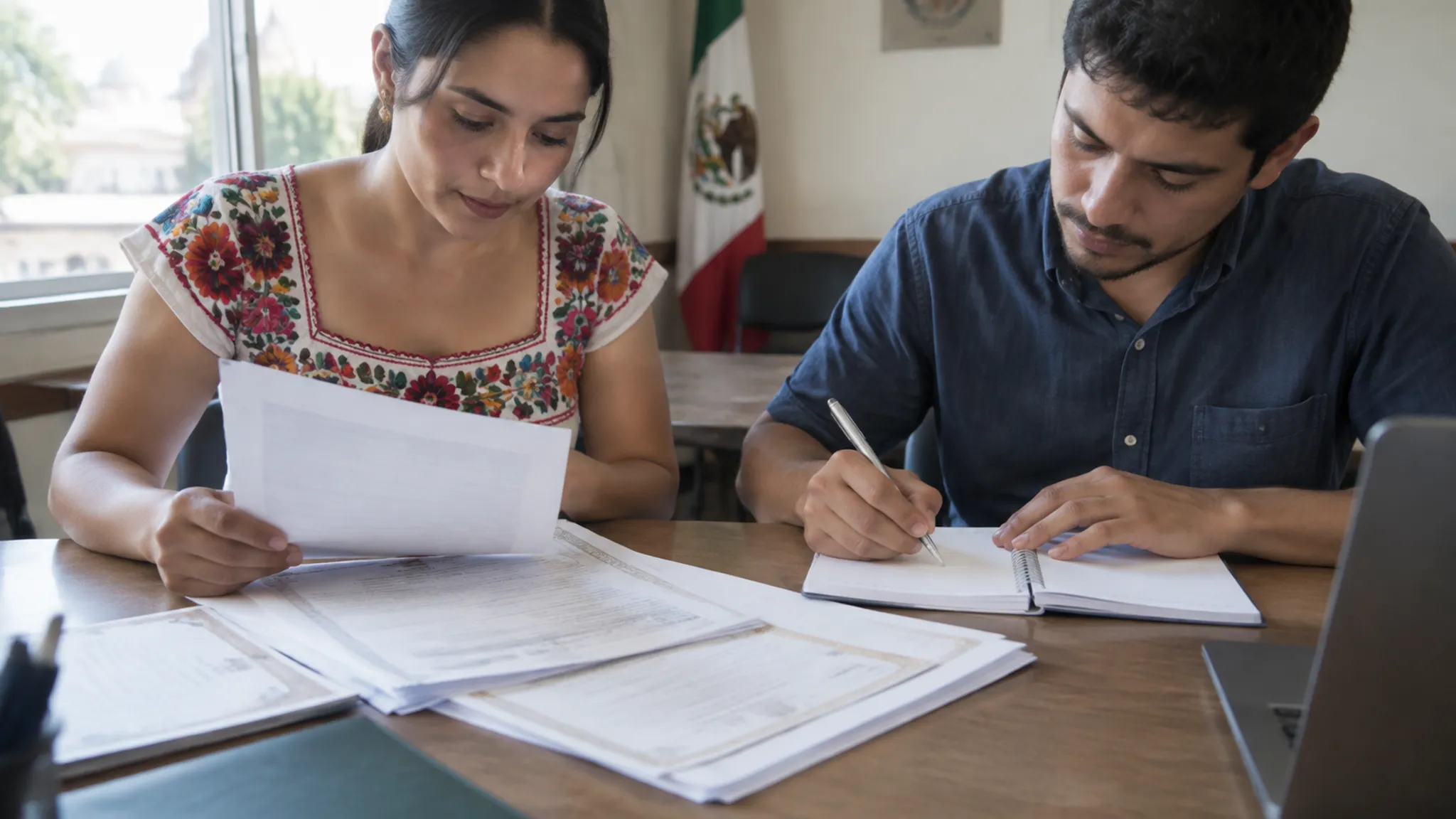
Foreign National Civil Wedding Mexico Planning
For a foreign national civil wedding Mexico appointment, divide the work into two connected paths.
The first is the Mexican registry appointment: identify the office, obtain its current instructions, and clarify how it handles identity, civil-status, and foreign-language documents. Mexican foreign-affairs and consular channels may help route cross-border questions to the appropriate authority.
The second concerns documents and follow-up matters connected to the person’s home country. A consulate, embassy, or home-country authority may explain its own records, document issuance, or later administrative steps. Those questions should not be assumed to be answered by the Mexican registry office.
This distinction prevents a common error: treating a document requested by one country or consulate as an automatic requirement for every Registro Civil marriage appointment in Mexico.
Ask each authority a narrow question. The Mexican office can address its appointment process. The document issuer can address its record. A consulate can address its own procedures. Clear routing reduces duplicated effort.
Witnesses for Registro Civil Marriage
Witnesses create uncertainty because wedding-planning content often reduces the issue to a headcount. The more useful questions concern timing, identification, attendance, and the role each person is actually taking.
Confirm with the registry office:
- How many witnesses, if any, are expected for the appointment or ceremony.
- Whether the same people must attend every stage.
- Whether witnesses need particular identity documents.
- Whether witnesses must meet local eligibility conditions.
- Whether a venue ceremony changes the witness arrangement.
- Whether the record requires signatures from participants who are present.
Do not assign relatives to witness roles until the office has explained the arrangement. A family member may be an important ceremonial participant, but that does not establish their role in the civil registry process.
When travel is involved, confirm attendance before purchasing nonrefundable tickets. Presence, representation, and unusual arrangements can depend on local procedure, so raise them early with the specific office.
Marriage Document Timing Mexico: Build Backward From the Appointment
Document timing involves more than lead time. Issue dates, translation work, appointment availability, travel, and the ceremony date may all affect the order of preparation.
Start with the registry office’s appointment process. Ask when documents will be reviewed, whether originals or copies are needed at different stages, and whether any documents must be recent. Build the rest of the schedule around those answers.
- Identify the responsible Registro Civil office and exact marriage service.
- Request current local instructions in writing where possible.
- Confirm the appointment and proposed ceremony location.
- Ask how requirements differ by partner, witness, and document type.
- Obtain documents after understanding their required format and timing.
- Arrange translations, apostilles, or legalization only after the relevant authority explains the route.
- Reconfirm attendance, witness details, fees, and venue handling before the appointment.
- Ask how the Acta de Matrimonio or subsequent marriage record will be issued.
A planner’s suggested waiting period or an old embassy fee example should not control the schedule. Public materials do not provide one current state-by-state Mexican appointment checklist, and local instructions can change.
Civil Wedding Venue Arrangements Mexico
An on-site ceremony may look like a venue decision, but it also creates a registry question. Separate event coordination from civil-registry handling.
Ask the venue what it can coordinate, then ask the Registro Civil office what it permits and how the service is scheduled. Confirm the proposed address, date, time, participant attendance, witness arrangement, fees, and practical restrictions directly with the office.
Do not assume that a venue package confirms that a registry officer will attend. A venue ceremony is also not a substitute for the marriage-registration service itself.
For diaspora planning, assign one person to keep registry correspondence, appointment details, and document-status notes in a shared file. A relative, planner, or bilingual family member may help coordinate communication, but the couple should keep office instructions distinct from family expectations and vendor suggestions.
Fees, Language Handling, and Record Delivery
Civil wedding registration fees Mexico searches may return figures that are dated, regional, or tied to a different ceremony format. Ask the relevant office for the current amount, payment method, payment timing, and whether an outside-office ceremony is handled differently.
Language handling should be confirmed early. If a partner or witness does not read Spanish comfortably, ask how the office handles documents in another language and whether an interpreter is needed for the appointment or ceremony. Do not presume that a translation prepared for another institution will fit the registry office’s process.
Before the ceremony, ask how the marriage record will be issued:
- Is an Acta de Matrimonio provided at the ceremony, later, or through a separate request?
- What form of record is available after registration?
- How are additional copies requested?
- Is pickup required, or are other delivery options available?
- Which details should be checked before leaving the appointment?
Keep record delivery separate from broader cross-border questions. The Mexican civil registry office can explain its own record process, while any later use of that record should be confirmed with the relevant home-country authority.

A Practical Confirmation Path
The preparation goal is not to predict every local rule. It is to turn uncertainty into answerable questions before documents, travel, and ceremony plans become expensive to change.
First, identify the local Registro Civil office and precise marriage-registration service. Next, obtain its current instructions and confirm the appointment route. Then clarify documents, witnesses, translations, apostilles or legalization, medical documents, fees, and timing as questions tied to your circumstances. Finally, confirm the ceremony location and how the Acta de Matrimonio or later record will be issued.
This approach lets a civil ceremony, religious ceremony, and family celebration fit together without confusing their separate responsibilities.
Sources
- Registro Civil - Secretaría de Gobernación
- Registro Civil de la Ciudad de México
- Matrimonio - Secretaría de Relaciones Exteriores
- Marriage - U.S. Embassy & Consulates in Mexico
- Propuesta de reforma a la ley de migración para regular el derecho del extranjero de celebrar matrimonio en México
- Actualidad del matrimonio entre ausentes y migración en México